

SKU: 1012

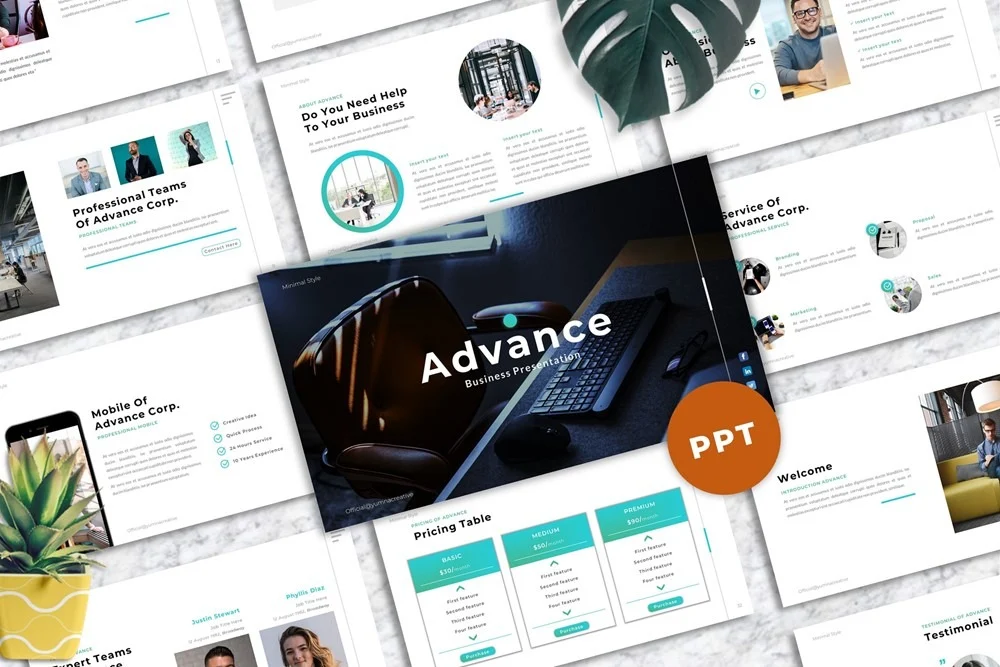
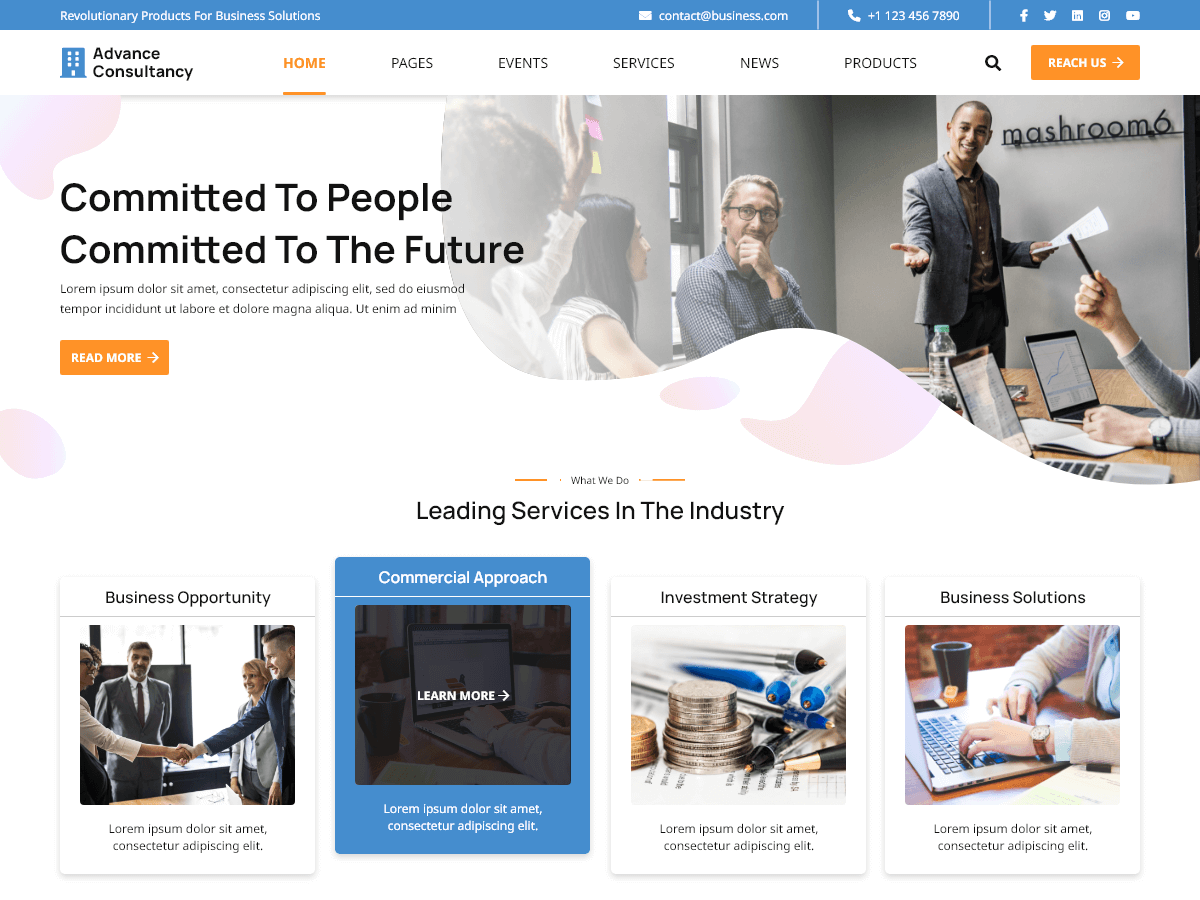
Business Advance Website

Original price was: ₹22,000.00.Current price is: ₹21,000.00.

Business Advance Website:

A Business Advance Website is a modern, feature-rich web platform designed to help businesses grow, manage operations, and engage customers more effectively. It goes beyond a basic website by integrating advanced tools such as data management, analytics, user interaction, and automation to support business decision-making and digital transformation.
Key Features:

1.Modern and responsive user interface.
2.Secure login and user authentication.
3.Business dashboards with analytics and reports.
4.Database management for business records.
5.Customer relationship management (CRM) features.
6.Online services, forms, and automated workflows.

In Stock

Business Advance Website:
A Business Advance Website is a modern, feature-rich web platform designed to help businesses grow, manage operations, and engage customers more effectively. It goes beyond a basic website by integrating advanced tools such as data management, analytics, user interaction, and automation to support business decision-making and digital transformation.

Read More

What It Does:

  • Modern and responsive user interface.
  • Secure login and user authentication.
  • Business dashboards with analytics and reports.
  • Database management for business records.
  • Customer relationship management (CRM) features.
  • Online services, forms, and automated workflows.
  • Role-based user access and permissions.

Purpose:

  • Improve business efficiency and productivity.
  • Provide real-time insights through data analytics.
  • Enhance customer engagement and online presence.
  • Search, filter, and sorting functionality.
  • Centralize business information securely.
  • Saves time and operational costs.
Why It Is Important:

1.Improves data accuracy and security.
2.Reduces paperwork.
3.Scalable and adaptable to business growth
4.Improves accuracy and efficiency.

Technologies Used:
1. Frontend: HTML/CSS/JS ( via wordpress platform, we use custom coding.).
2. Backend: PHP/AJAX/JQUERY/MYSQL.
3.Hosting: Cloud platforms (AWS, Vercel, Netlify).

Brand

Classic Website

Reviews

There are no reviews yet.

Be the first to review “Business Advance Website”

Your email address will not be published. Required fields are marked *

Related Products

FAQ

Digital marketing is a multifaceted approach to promoting brands, products, or services using internet-based platforms and technologies. It encompasses a wide variety of channels including search engines, social media, websites, email, mobile applications, and online advertising networks. Its primary objective is to connect with consumers where they spend the majority of their time—online. This method of marketing allows businesses to target specific audiences based on their interests, behaviors, demographics, and online activities. It includes strategies such as Search Engine Optimization (SEO) to increase organic traffic, Pay-Per-Click (PPC) advertising for paid visibility, email campaigns for direct communication, content marketing to provide value and build authority, and social media marketing for community engagement and brand visibility. Unlike traditional marketing, which often relies on one-way communication through TV, radio, or print media, digital marketing is interactive, data-driven, and measurable. This means marketers can analyze the success of their campaigns in real time, make adjustments quickly, and optimize performance for better results. With the right strategy, digital marketing can generate leads, drive sales, enhance customer loyalty, and deliver a significant return on investment.

Digital marketing is crucial because consumer behavior has shifted dramatically toward digital channels. Most people now research products online before making purchasing decisions, interact with brands on social media, and expect businesses to have a strong online presence. This change means that companies without an effective digital marketing strategy risk falling behind competitors who actively engage their audience through digital means. Digital marketing provides unmatched reach and scalability, allowing businesses to connect with local, national, or global audiences at a fraction of the cost of traditional media. It also offers precise targeting capabilities, such as behavioral targeting, geographic targeting, and remarketing, ensuring that marketing messages are delivered to the right people at the right time. Additionally, digital marketing supports a two-way conversation between brands and consumers, enabling real-time engagement, feedback collection, and community building. The data collected from digital campaigns can be used to refine future marketing strategies, understand customer preferences, and improve product offerings. Ultimately, digital marketing empowers businesses to be more agile, responsive, and customer-focused in a highly competitive environment.
Digital marketing differs from traditional marketing in several fundamental ways, primarily in terms of medium, measurability, engagement, and cost-efficiency. Traditional marketing uses offline channels such as newspapers, magazines, television, radio, billboards, and direct mail to reach a broad audience. While these methods can still be effective for brand awareness, they often lack the precision targeting, interactive capabilities, and real-time analytics offered by digital platforms. In contrast, digital marketing utilizes online tools like social media, email, search engines, and websites, enabling marketers to reach specific segments of the population with customized messages. Engagement is another key differentiator—digital marketing allows for two-way communication where consumers can respond, comment, share, and interact with brands instantly, fostering deeper relationships. Additionally, digital marketing campaigns are highly trackable; businesses can monitor click-through rates, conversions, bounce rates, and other KPIs to measure success and optimize efforts. Traditional marketing generally relies on estimates and indirect metrics, making it harder to gauge exact performance. Overall, digital marketing offers a more dynamic, cost-effective, and agile approach compared to the static and broad-reaching nature of traditional marketing.
Yes, digital marketing is incredibly versatile and can be tailored to suit the needs of any business, regardless of its size, industry, or geographic location. Whether a company is a multinational corporation, a small local retailer, a B2B service provider, or a nonprofit organization, digital marketing strategies can be customized to align with business goals, customer demographics, and available resources. For example, a small local restaurant might benefit from local SEO and social media marketing to attract nearby diners, while a software company may focus on content marketing, webinars, and PPC campaigns to generate leads worldwide. The key is to identify the platforms and tactics that resonate most with the target audience. Additionally, digital marketing allows for experimentation and scalability. Businesses can start small, test different approaches, and gradually increase investment in the strategies that yield the best results. Tools like email automation, e-commerce platforms, and social media schedulers make it easier for even small teams to execute professional digital campaigns. By leveraging data and insights, any business can use digital marketing to improve visibility, enhance customer engagement, and drive growth.
Smaller companies can compete effectively with larger firms in the digital marketing space by leveraging their agility, creativity, and ability to create personalized experiences. While big brands often have more resources, small businesses can focus on niche markets and deliver highly relevant content that resonates with specific customer segments. Local SEO is a powerful tool that helps smaller businesses rank in search results for location-based queries, attracting nearby customers who are more likely to convert. Additionally, authenticity and responsiveness on social media platforms can foster community engagement and build trust, something larger firms may struggle with at scale. Email marketing can also be personalized based on customer behavior, delivering value in ways that feel more direct and meaningful. Content marketing efforts like blogging, podcasting, or YouTube tutorials allow small businesses to showcase expertise and become thought leaders in their domain. Moreover, smaller teams often benefit from streamlined decision-making, enabling them to adapt quickly to changes, test new tools or trends, and optimize their campaigns more efficiently than their larger counterparts.
A business’s online presence, regardless of industry, can have a massive impact on its success. In this day and age, some businesses still don’t realize that a majority of their customers will visit their website before making a purchase. Having a strong online presence, particularly a website, can be make or break for generating more revenue. Yes, the quality of your website impacts results, but the purpose of this article to stress the importance of making sure you have a website. I’ve helped numerous companies of varying sizes create their digital presences. In some cases, organizations are hesitant to get online because they feel they are not tech-savvy enough and don’t understand how to manage a website. Other times, companies are concerned about the price.

A website is a collection of web pages under a single domain (e.g., www.yourcompany.com) that digitally represent a business, organization, or individual. At its core, a website is a tool for communication and connection that can be accessed anytime, from anywhere, via a web browser.

It’s difficult to overstate the importance of websites today. Websites act as storefronts, information hubs and platforms for delivering services—the purpose of a website is not to be understated. Major industries such as e-commerce, remote work, online education, and social media all rely on websites. 
1. Enhancing credibility and trustworthiness 2. Improving online visibility and authority 3. Boosting SEO performance 4. Generating of more leads and increased sales 5. Building brand recognition and expanding exposure 6. Digital promotion and marketing strategies 7. Enhancing customer service 8. Data-based customer insights 9. Facilitating product sales and transactions 10. Establishing a wider audience reach 11. Strengthening brand loyalty 12. Conducting competitor analysis 13. Opening up new markets and accessibility 14. Cost savings 15. Establishing direct communication channels
Search engine optimization, or SEO, helps potential customers find your business more easily online. Good SEO ranking drives more organic web traffic to your site, which ultimately fosters business growth. Optimize your website for SEO by including relevant content, using proper keywords and securing high-quality backlinks.

Customer Reviews

Social Media Posts

This is a gallery to showcase images from your recent social posts

Select your currency
INR Indian rupee
Receive the latest news

Choose your favorite package today! Contact us now to get started and enjoy all the benefits.

Get notified please provide your email or Contact Number !

Filter


Product categories

Product tags

0

Subtotal