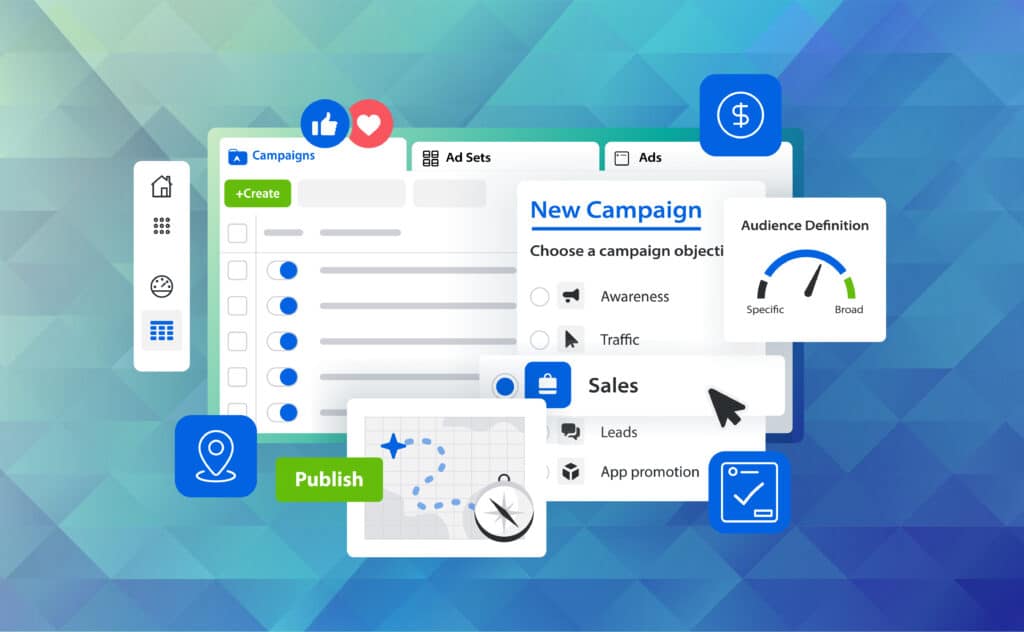
Digital marketing differs from traditional marketing in several fundamental ways, primarily in terms of medium, measurability, engagement, and cost-efficiency. Traditional marketing uses offline channels such as newspapers, magazines, television, radio, billboards, and direct mail to reach a broad audience. While these methods can still be effective for brand awareness, they often lack the precision targeting, interactive capabilities, and real-time analytics offered by digital platforms. In contrast, digital marketing utilizes online tools like social media, email, search engines, and websites, enabling marketers to reach specific segments of the population with customized messages. Engagement is another key differentiator—digital marketing allows for two-way communication where consumers can respond, comment, share, and interact with brands instantly, fostering deeper relationships. Additionally, digital marketing campaigns are highly trackable; businesses can monitor click-through rates, conversions, bounce rates, and other KPIs to measure success and optimize efforts. Traditional marketing generally relies on estimates and indirect metrics, making it harder to gauge exact performance. Overall, digital marketing offers a more dynamic, cost-effective, and agile approach compared to the static and broad-reaching nature of traditional marketing.




Reviews
There are no reviews yet.